Introduction to Digital Marketing
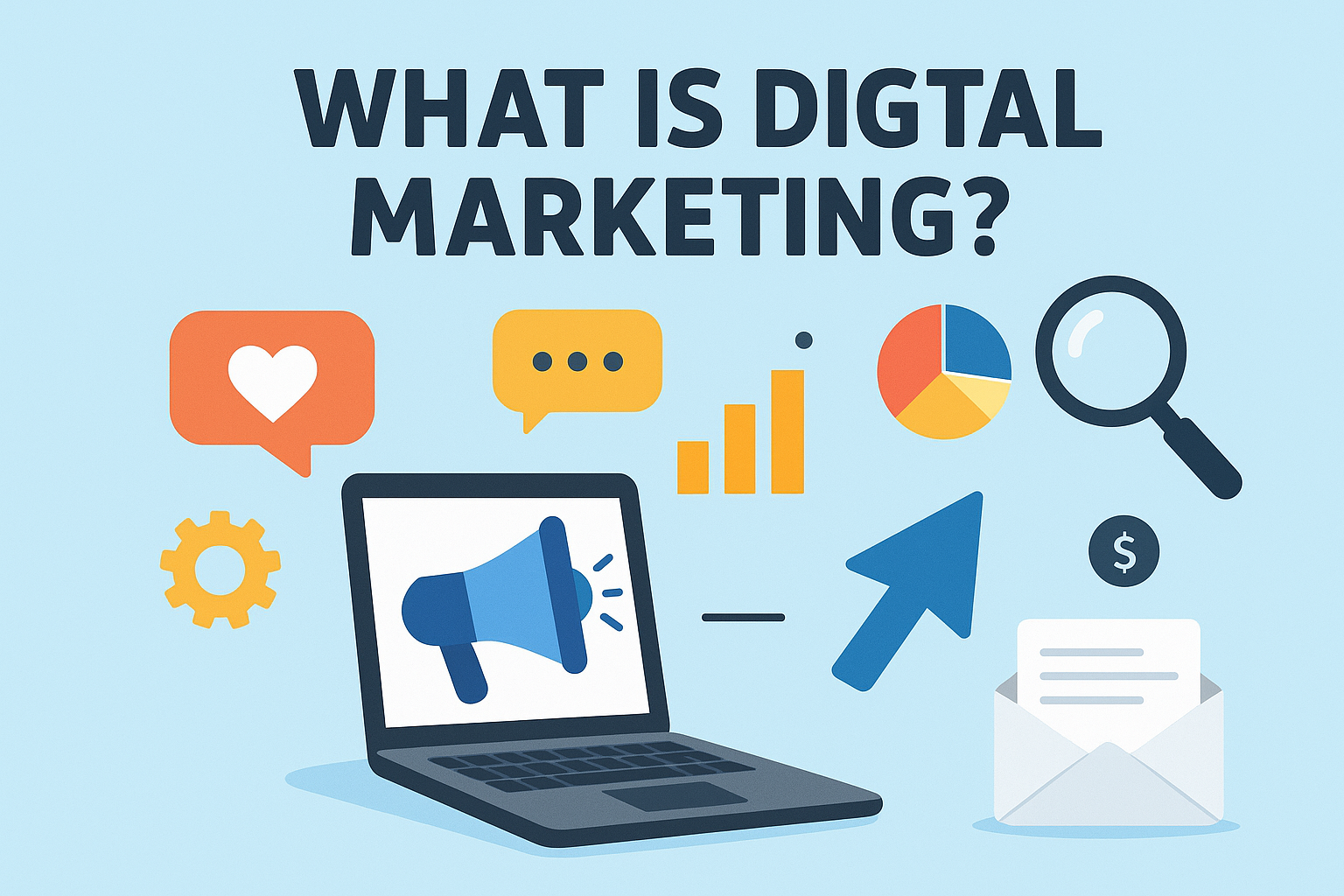
In today’s technology-driven world, digital marketing has become the backbone of modern business success. It’s no longer just an option—it’s a necessity. But what exactly is digital marketing? Simply put, it’s the use of digital channels such as search engines, social media, email, and websites to connect with potential customers. Unlike traditional marketing methods like print ads or billboards, digital marketing allows businesses to reach their audience in real-time and measure the effectiveness of their campaigns instantly.
The shift from traditional to digital marketing didn’t happen overnight. With the rapid rise of the internet and smartphones, people started spending more time online. Businesses quickly realized that if they wanted to stay relevant, they had to go where their customers were—online. This led to a massive transformation in the marketing landscape. From personalized email campaigns to interactive social media posts, every touchpoint in the digital world now offers an opportunity to engage, convert, and retain customers.
Digital marketing isn’t just about advertising products—it’s about building relationships and creating experiences. It enables small businesses to compete with larger ones, thanks to cost-effective strategies and data-driven insights. Whether you’re a startup or a well-established brand, digital marketing offers the tools to scale, adapt, and thrive in a competitive digital ecosystem.
Importance of Digital Marketing in Today’s World
We live in a digital age where nearly everything—from shopping to entertainment—happens online. That’s why digital marketing has become indispensable for modern businesses. Unlike the old days when companies relied solely on newspapers, flyers, or TV ads, digital marketing allows brands to target audiences with precision, track performance in real time, and make adjustments instantly.
Every business, regardless of its size or niche, needs digital marketing to survive and grow. Think about it: consumers spend hours scrolling through their phones daily. Whether they’re checking reviews, watching videos, or searching for services nearby, digital touchpoints shape their buying decisions. So, if your business doesn’t have a strong online presence, you’re practically invisible to potential customers.
Another major advantage of digital marketing is cost-effectiveness. Traditional advertising can be expensive and often lacks measurable results. In contrast, digital platforms like Google Ads or Facebook Ads let you set budgets, target specific demographics, and only pay when users interact with your ads. This means even small businesses can run successful campaigns without breaking the bank.
Moreover, digital marketing provides valuable data insights. With analytics tools, you can track user behavior, monitor engagement, and see what strategies are working best. This information helps refine campaigns, ensuring maximum ROI.
In short, digital marketing levels the playing field. It gives every brand—big or small—the opportunity to connect with their audience, showcase their value, and grow faster than ever before.
Core Components of Digital Marketing
Digital marketing isn’t just one thing—it’s a vast ecosystem made up of several interconnected components. Each plays a unique role, but together, they form a cohesive marketing strategy.
The core components include Search Engine Optimization (SEO), Content Marketing, Social Media Marketing, Email Marketing, Pay-Per-Click Advertising (PPC), Affiliate Marketing, Influencer Marketing, Mobile Marketing, and Video Marketing.
Each channel complements the others. For example, SEO helps your website attract organic traffic, while social media drives engagement and awareness. Content marketing nurtures trust through valuable information, and email marketing strengthens relationships with customers. Meanwhile, PPC and influencer collaborations give your brand quick visibility boosts.
When these components work together harmoniously, they create a powerful digital ecosystem that attracts leads, converts customers, and builds loyalty. The key is understanding how to use each tool effectively to achieve your overall marketing goals.
Search Engine Optimization (SEO)
Search Engine Optimization, or SEO, is the heartbeat of digital marketing. It’s the process of optimizing your website to rank higher on search engines like Google, Bing, and Yahoo. Why does this matter? Because higher visibility means more traffic, and more traffic often translates into more leads and sales. Think of SEO as your digital storefront—it’s how people discover your brand online without you having to pay for every click.
SEO is divided into two main categories: on-page SEO and off-page SEO. On-page SEO focuses on optimizing elements within your website—like meta tags, keywords, headings, and content quality—to make it easier for search engines to understand your site. This includes things like writing compelling meta descriptions, improving site speed, and ensuring your pages are mobile-friendly.
Off-page SEO, on the other hand, revolves around building your site’s authority through external factors such as backlinks, social signals, and brand mentions. Backlinks, which are links from other websites to yours, act like votes of confidence—search engines interpret them as indicators of credibility and relevance.
Another crucial part of SEO is keyword research. By identifying what your target audience is searching for, you can craft content that aligns with their needs and search intent. Tools like Google Keyword Planner or Ahrefs help marketers uncover profitable keywords that can drive targeted traffic.
However, SEO isn’t just about pleasing algorithms—it’s about providing real value. Search engines prioritize content that helps users, answers their questions, and offers a great user experience. So, the secret to successful SEO lies in balancing technical optimization with engaging, human-centered content.
Content Marketing
If SEO is the engine, content marketing is the fuel that powers digital marketing success. It revolves around creating and distributing valuable, relevant, and consistent content to attract and retain a clearly defined audience. The goal? To build trust, educate your audience, and ultimately drive profitable customer action.
Content comes in many forms—blog posts, articles, videos, infographics, podcasts, eBooks, and more. Each format serves a different purpose in the buyer’s journey. For instance, blog posts help educate potential customers, while case studies and testimonials provide social proof to close a sale.
The magic of content marketing lies in storytelling. People don’t just buy products—they buy experiences, emotions, and solutions. By crafting compelling narratives, brands can connect with audiences on a deeper level. For example, a skincare brand might share content about natural ingredients and self-care routines, positioning itself as a trusted expert rather than just a seller.
Consistency is key in content marketing. Regularly publishing high-quality, SEO-optimized content not only improves your search rankings but also keeps your audience engaged. The more helpful your content is, the more your audience will trust your brand—and that trust eventually leads to conversions.
Remember, good content doesn’t sell directly; it educates, inspires, and engages. Over time, this approach transforms casual visitors into loyal customers who advocate for your brand.
Social Media Marketing (SMM)
In today’s hyper-connected world, social media marketing is one of the most powerful tools for reaching and engaging audiences. Platforms like Facebook, Instagram, TikTok, LinkedIn, and X (formerly Twitter) are not just for sharing personal updates—they’ve become marketing powerhouses where brands can build communities, showcase products, and interact directly with customers.
The beauty of social media marketing lies in its accessibility. Whether you’re a startup or a global enterprise, social media gives you a platform to share your voice. It helps humanize your brand and lets customers see the personality behind the business. A well-crafted post, an engaging video, or a witty reply can go viral and attract massive attention overnight.
To make the most out of social media, businesses must understand their audience and choose the right platform. For instance, Instagram is ideal for visual storytelling and lifestyle brands, while LinkedIn suits B2B companies looking to connect with professionals. TikTok, with its short-form videos, caters to younger audiences who crave creativity and authenticity.
Creating engaging content is at the heart of SMM. This can include eye-catching visuals, reels, polls, user-generated content, and live sessions. Interaction is equally crucial—replying to comments, engaging with followers, and participating in trending discussions build relationships and brand loyalty.
Social media also offers paid advertising options. Through features like Facebook Ads or LinkedIn Campaigns, you can target specific demographics based on interests, age, location, and behavior. This ensures your message reaches the right people at the right time.
Ultimately, social media marketing isn’t about hard selling—it’s about connection. It’s about being part of conversations, providing value, and building a brand community that people genuinely love to engage with.
Email Marketing
Despite the rise of new platforms, email marketing remains one of the most effective digital marketing strategies. It’s personal, direct, and incredibly powerful when done right. In fact, studies show that email marketing can deliver an ROI of up to 4,400%—that’s $44 for every $1 spent!
Email marketing involves sending targeted messages to your subscribers with the goal of nurturing relationships, promoting products, or sharing valuable content. The secret lies in personalization and segmentation. Instead of sending one generic message to everyone, successful marketers divide their audience into smaller groups based on behavior, preferences, or purchase history. This ensures that every email feels relevant and valuable.
Crafting a compelling email starts with a catchy subject line—it’s the first thing your audience sees. Once opened, the content should be engaging, concise, and visually appealing. Including calls-to-action (CTAs) like “Shop Now,” “Learn More,” or “Get Started” encourages readers to take the next step.
Automation tools like Mailchimp, HubSpot, or ConvertKit allow you to create email sequences that nurture leads automatically. For example, when someone signs up for your newsletter, they can receive a welcome series introducing your brand, followed by educational emails that lead to a sales offer.
The best part? Email marketing gives you complete control. Unlike social media platforms, where algorithms decide visibility, emails land directly in your subscribers’ inboxes. When used strategically, this direct line of communication can build loyalty, boost conversions, and drive long-term business growth.
Pay-Per-Click Advertising (PPC)
One of the fastest ways to gain visibility online is through Pay-Per-Click (PPC) advertising. Unlike organic marketing methods, PPC delivers immediate results. It’s a digital advertising model where you pay each time someone clicks your ad. Think of it as renting space at the top of search results—when done strategically, it can bring highly qualified leads to your website in no time.
PPC ads typically appear on search engines like Google or Bing and on social media platforms like Facebook, Instagram, or LinkedIn. The most popular PPC platform is Google Ads, where advertisers bid on keywords that their potential customers might search for. For example, a bakery might bid on keywords like “best birthday cakes near me.” When a user types that query, the bakery’s ad could appear at the top of Google’s search results.
The beauty of PPC lies in control and precision. You can set your budget, target specific demographics, and even schedule when your ads appear. Whether you want to reach people in a specific city or target users interested in a certain hobby, PPC gives you the flexibility to reach exactly who you want.
But PPC isn’t just about spending money—it’s about strategy. Effective PPC campaigns require strong keyword research, persuasive ad copy, and engaging landing pages. If your ad promises something, your landing page must deliver it instantly. The user experience from click to conversion must be seamless.
Additionally, analytics plays a vital role in PPC success. Platforms like Google Ads provide detailed reports that show which ads perform best, how much each conversion costs, and where improvements can be made. By continuously refining your strategy based on data, you can maximize ROI and ensure every click counts.
PPC may seem costly at first, but when used correctly, it can yield rapid traffic, increased brand exposure, and higher sales. It’s a perfect complement to long-term strategies like SEO and content marketing.
Affiliate Marketing
Next up is affiliate marketing, a strategy built around partnerships and performance. It’s one of the oldest and most rewarding forms of digital marketing, especially for businesses looking to expand their reach without increasing their marketing costs.
In affiliate marketing, companies collaborate with individuals or other businesses—called affiliates—who promote their products or services in exchange for a commission. The process is simple: affiliates share special tracking links on their websites, social media, or email lists. When someone clicks the link and makes a purchase, the affiliate earns a percentage of the sale.
This model is a win-win situation for both sides. Businesses gain access to new audiences and only pay for actual results, while affiliates earn passive income by promoting products they believe in. Popular affiliate networks like Amazon Associates, ClickBank, and ShareASale have made it easy for marketers and content creators to monetize their platforms.
To succeed in affiliate marketing, trust and authenticity are key. Audiences can easily spot inauthentic promotions. The most successful affiliates focus on providing genuine recommendations and creating high-quality content that educates or entertains.
For businesses, it’s essential to choose affiliates who align with your brand values. A good match ensures credibility and stronger campaign performance. Offering incentives such as tiered commissions, bonuses, or exclusive promotions can also motivate affiliates to perform better.
With the right strategy, affiliate marketing becomes a powerful channel for driving traffic, increasing sales, and boosting brand awareness—without the heavy lifting of traditional advertising.
Influencer Marketing
In the last decade, influencer marketing has revolutionized the digital marketing landscape. It’s built on a simple yet powerful concept: people trust people more than they trust brands. When a well-known or relatable influencer recommends a product, their followers are far more likely to pay attention—and act.
Influencer marketing involves collaborating with content creators, celebrities, or niche personalities who have a loyal audience on platforms like Instagram, TikTok, YouTube, or even LinkedIn. These influencers already have credibility and strong connections with their followers, making their recommendations incredibly persuasive.
There are several types of influencers, ranging from mega-influencers (celebrities with millions of followers) to micro-influencers (those with smaller but highly engaged audiences). Interestingly, brands often find better results with micro-influencers because their followers trust them more and see them as authentic voices rather than paid promoters.
The key to success in influencer marketing is authenticity. Audiences can quickly spot when a collaboration feels forced. The most effective campaigns allow influencers to promote products in their own style, ensuring the message feels genuine and natural. For instance, a fitness influencer might showcase how they use a particular protein shake as part of their daily routine instead of simply posting a photo with it.
When choosing influencers, brands must consider not just follower count but engagement rates, audience demographics, and values. Tools like BuzzSumo, Upfluence, and AspireIQ help marketers identify the right influencers for their niche.
Lastly, it’s crucial to track results. Measuring engagement, reach, click-through rates, and conversions helps determine campaign ROI. With the right partnerships, influencer marketing can dramatically boost brand awareness, drive traffic, and foster long-term customer loyalty.
Mobile Marketing
With smartphones becoming an extension of our daily lives, mobile marketing has emerged as a dominant force in digital marketing. It’s all about reaching users on their mobile devices through channels like SMS, in-app ads, push notifications, and mobile-optimized websites.
Why is mobile marketing so important? Because the world has gone mobile. According to recent data, over 60% of web traffic comes from mobile devices. That means if your marketing strategy isn’t mobile-friendly, you’re missing out on a massive audience.
Mobile marketing focuses on delivering a personalized and seamless experience. For instance, mobile ads can use location-based targeting to show offers relevant to where a user is at that moment. A local restaurant, for example, might send push notifications for lunch discounts to users nearby.
App marketing is another major branch of mobile marketing. Brands develop apps to engage customers, send exclusive offers, or provide loyalty programs. Apps not only improve convenience but also strengthen customer relationships by offering a direct communication channel.
However, the foundation of successful mobile marketing lies in optimization. Websites must load quickly, be easy to navigate, and display correctly on small screens. Poor mobile experiences can drive customers away in seconds.
SMS and WhatsApp marketing are also gaining traction due to their immediacy. People tend to open text messages within minutes, making it one of the most direct and effective ways to communicate with customers.
In essence, mobile marketing ensures your brand is always in your customer’s pocket—literally. It’s fast, personal, and incredibly effective when done right.